Upgrade Your Glendora Home with an Eco-Friendly AC and Heating System and Go Green Financing

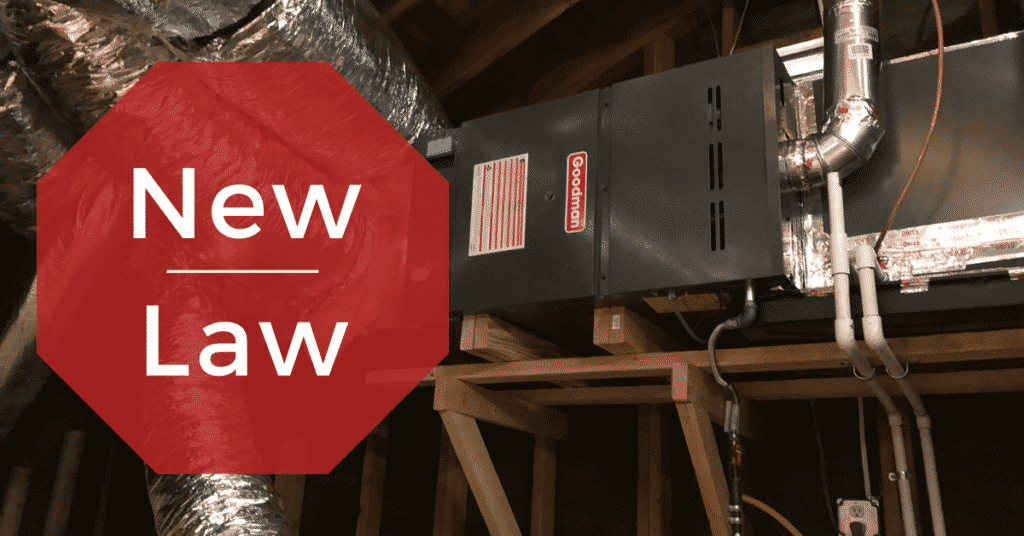
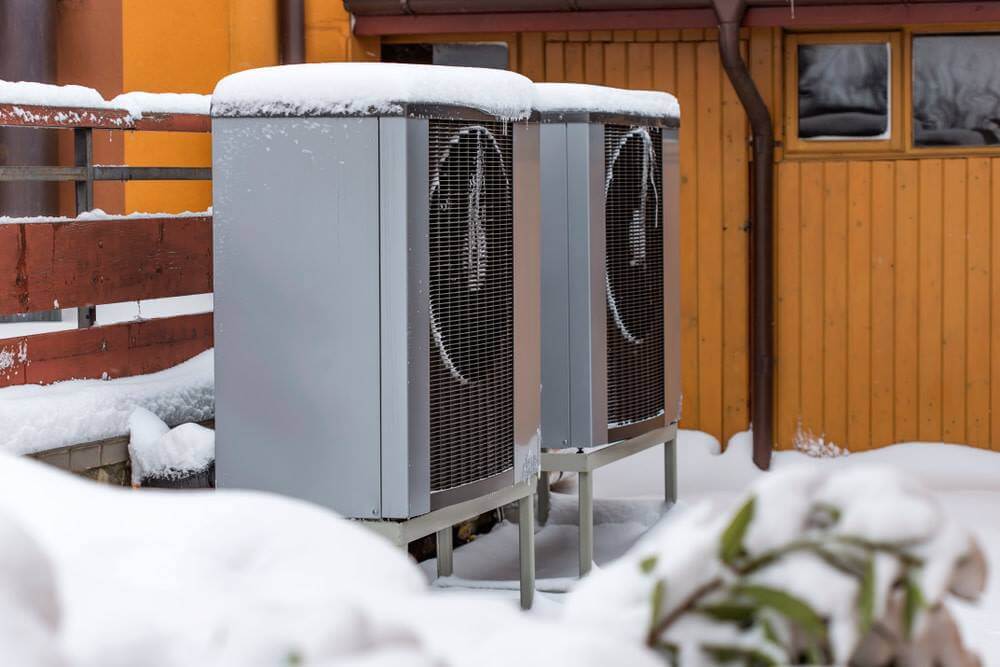
Go Green, Save Green. - CLICK FOR GO GREEN FINANCING WITH ACCURATE.Are you a West Covina or Glendora homeowner looking to enhance your home’s comfort while supporting California’s environmental goals? The answer lies in the energy-efficient AC and Heating System, a key step in reducing your home’s energy consumption and aligning with the state’s green initiatives. Let’s explore the benefits of these systems and how Go Green Financing can make this eco-friendly upgrade more accessible.

Eco-Friendly AC and Heating System: A Breath of Fresh Air for Your Home

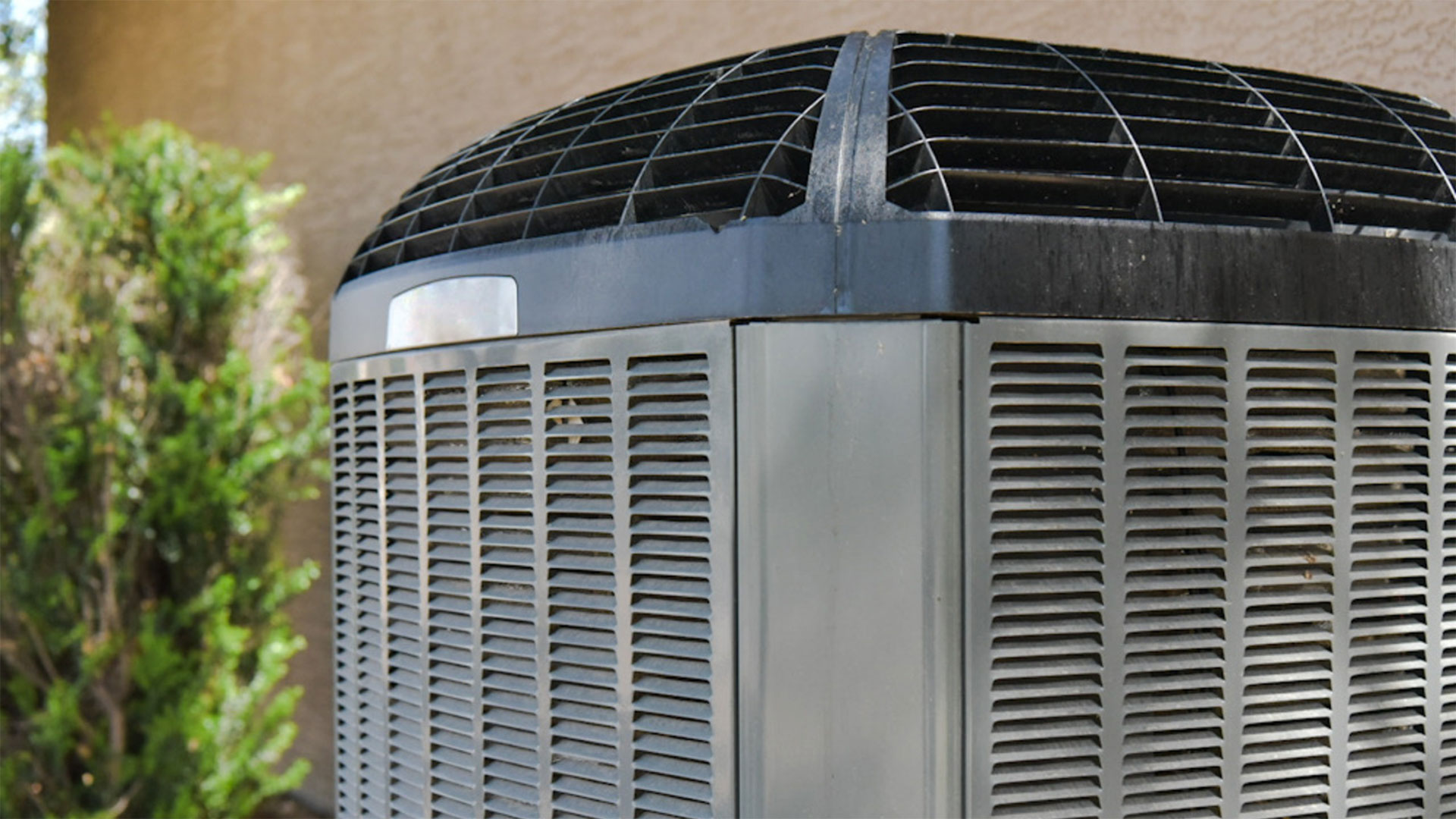
Energy-efficient AC and Heating System models are not just a big deal for the environment; they’re a game-changer for your home comfort. These systems use significantly less energy, operate quietly, and provide even temperature distribution, ensuring your home is a haven of comfort. By choosing eco-friendly options, you’re also playing a pivotal role in reducing the carbon footprint and contributing to a healthier planet.

Go Green Financing: Making Eco-Upgrades Affordable in West Covina and Glendora

Go Green Financing offers a range of plans to help homeowners afford these vital upgrades. Whether it’s attractive low-interest rates or flexible repayment terms, these financing options cater to various budgets and needs. This initiative, backed by the State of California, allows you to invest in your home without the stress of large upfront costs. It’s designed to be inclusive, catering to a wide range of borrowers, including those with lower credit scores or recent homeowners that want their AC replaced.

Comfort and Savings: The Dual Benefits

An energy-efficient HVAC system not only elevates the comfort level of your home but also leads to significant savings on energy bills. While there’s an upfront investment, the long-term savings and potential increase in property value make it a smart financial decision.

Are you ready to make a difference in your West Covina or Glendora home and the environment? Discover more about Go Green Financing and how it can aid your journey towards a sustainable, comfortable home. Visit Go Green Financing today to learn more about your options.

And remember, when it comes to installation, maintenance, or any queries about eco-friendly HVAC systems, Accurate Home Services’ Super Techs are here to help. With our expertise and commitment to quality service, we ensure that your home upgrade experience is seamless and satisfying. Contact us today to get started on your eco-friendly home journey!

How to Prepare Your Heating System for Winter

Glendora, CA, may not be the coldest place in America, but that doesn’t mean residents can afford to go without heat during the winter. Homeowners and their families deserve to have a place to escape the cold, and that means getting the home’s heating system in order now before winter hits. Read on to find out how to prepare a furnace and HVAC system for winter to ensure the entire household will stay comfortably warm until spring arrives.

Schedule a Professional Tune-Up

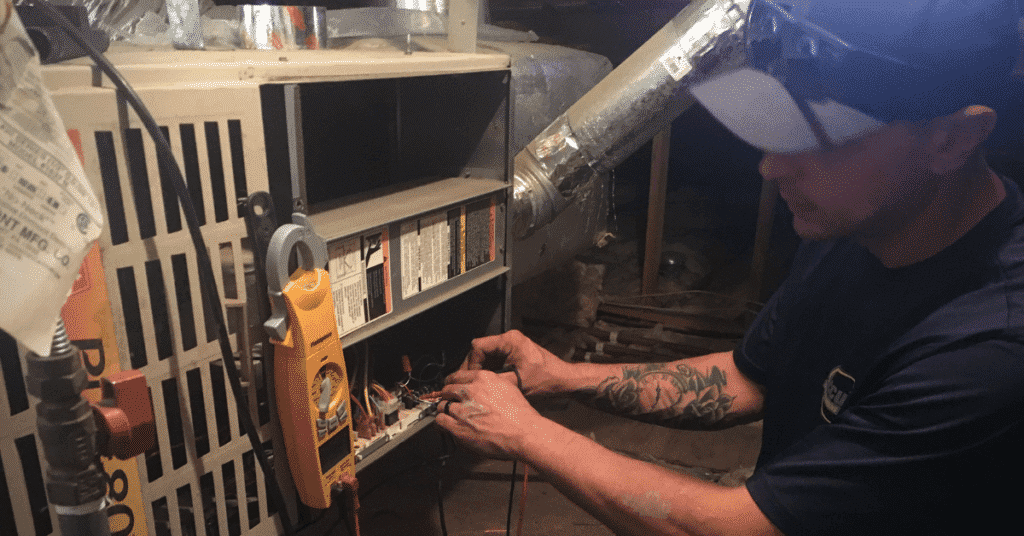
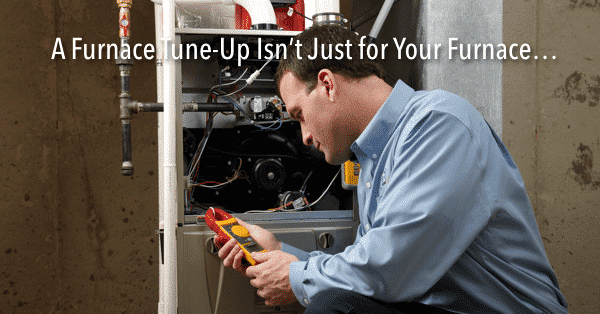
The first step to ensuring that a furnace stays up and running at optimal efficiency all winter long is to schedule a professional heating maintenance visit. During a tune-up, the technician will inspect every component of the heater and its accessory systems, including the ducts, and identify any possible causes of inefficiency. He or she will look for signs of wear and tear, broken parts, and other issues that could lead to trouble down the line and give a full report to the homeowner when the inspection is complete.

Seasonal furnace maintenance gives homeowners the opportunity to identify and correct minor problems before they lead to major system failures, helping to reduce the risk of the heater going out just when it’s needed most. If the furnace is still covered by a manufacturer’s warranty, scheduling a professional tune-up each fall will also ensure that homeowners are complying with their warranty agreements. Failure to provide proper maintenance can void the warranty completely.

Make Necessary Repairs

It makes little sense to schedule an inspection and tune-up, then ignore the advice of the technician who performs it. If a trained HVAC tech says there’s something wrong with the system that should be addressed before winter, take that advice to heart. The heating repair costs tend to be lower when homeowners schedule minor repairs before they can lead to serious breakdowns and emergency repairs in the dead of winter.

In some cases, the inspecting technician may be able to perform heater repairs on the spot. In others, he or she may need to order parts and return at a later date. If the unit has experienced extreme wear and tear due to old age or lack of maintenance, it may make more sense to replace it than to make multiple individual repairs. When in doubt, ask the HVAC tech for his or her professional opinion.

Change the Air Filters

Air filters serve an essential purpose in any heater system. They prevent dirt, dust, and debris from circulating throughout the home or causing damage to the furnace’s delicate internal components. Every furnace is a little different, so it’s wise to check the manufacturer’s instructions regarding the frequency of filter changes.

In most cases, filters need to be replaced either every month or every three months. Some more advanced filters can be left in place for up to 12 months at a time. Either way, homeowners should check their filters before firing up their furnaces and replace them if they look dirty.

Prep the Humidifier

In the winter, the air tends to be dryer than it is during the warmer months of the year. As a result, most households need whole-home or portable dehumidifiers to replenish the moisture that’s usually missing to maintain optimal relative humidity levels.

The level of care required to prepare a humidifier for winter use will vary depending on what sort of system homeowners have installed. In most cases, it will require changing the water panel, removing and cleaning the reservoir, wiping down the housing and intake vents, if applicable, and checking the drain line to make sure there aren’t any leaks.

Clean the Furnace

Scheduling a furnace tune-up will ensure that everything is in good working order and give a technician the chance to clean the unit’s interior chambers, but it’s still the homeowner’s responsibility to ensure the area around the furnace is clean and clear. Head to the basement, crawlspace, or utility room and take a look. If there’s dirt or debris all over the floor or walls near the furnace, now is the time to break out the vacuum and clean it up before it can get sucked into the air supply.

It’s equally important to ensure adequate access to the furnace. The airflow to the unit should never be blocked by furniture or other items stored for the winter, and nothing flammable should be stored within six feet of the unit. While homeowners are cleaning up the area around their furnaces, they should also check the access doors and exterior panels to make sure those components are not loose, especially if the system hasn’t been professionally inspected yet.

Reprogram the Thermostat

When it’s time to switch an HVAC system over from summer to winter mode, homeowners should check their programmed temperature settings. Most people’s temperature preferences differ during different seasons of the year, as do many family’s schedules. Reprogram the thermostat before firing up the furnace and try to follow these energy-saving guidelines:

  • Balance comfort and efficiency by setting the thermostat to 68 degrees.
  • Lower the temperatures by 10 to 15 degrees when the home is unoccupied.
  • Choose AUTO for the fan setting to make sure the blower is only running when the heater cycles on.

Test Carbon Monoxide Detectors

Every home should have not just smoke detectors but also carbon monoxide detectors. These essential pieces of safety equipment are designed to protect families from carbon monoxide poisoning when their furnaces or boilers are turned on.

Most experts recommend checking both carbon monoxide detectors and smoke alarms once a month, but not everyone follows those guidelines. Even if homeowners aren’t always diligent about testing these systems, they should make a point of checking them before firing up the heater and replacing the 9-volt batteries that act as a backup power source at the same time.

Modern carbon monoxide detectors are designed to last around five to seven years, while smoke detectors only need to be replaced once a decade. Batteries, on the other hand, need to be replaced every six months or whenever the unit begins to chirp. When in doubt about whether a carbon monoxide detector needs to be replaced, check the manufacturer’s recommendations.

Inspect the Ductwork

Before turning on the heater for the season, homeowners should inspect their HVAC ducts to ensure they will be able to transport that heated air efficiently throughout the house. Leaky ducts can cause drops in the efficiency of up to 30%, which can cause some significant discomfort during the winter. Residents will need to adjust the thermostat more frequently and set it to higher temperatures just to stay comfortably warm, which can also drive up monthly bills.

Some homeowners choose to inspect their ductwork themselves. Unfortunately, not all leaks, disconnections, and damage are as obvious as one might think. Families that want to maximize their HVAC systems’ energy efficiency and keep their monthly bills to a minimum should schedule a professional ductwork inspection and have their ducts sealed as necessary to ensure proper air circulation.

Keep the Air Vents Clear

For a furnace to work efficiently, all the vents throughout the home need to be clear and unobstructed. If any of the vents are closed, open them now. It’s a myth that closing vents to restrict which areas of the home are receiving heat will save energy. 

The heater and ductwork are designed to transport precise amounts of treated air to each area of the home, so if one or more of the vents are closed or blocked, warm air gets trapped in the system. The trapping of warm air in the system can damage ducts, cause the furnace to overheat, and decrease energy efficiency. Before turning on the furnace, check every vent in the house, and keep the following tips in mind.

  • If a louvered vent cover won’t open, clean the cover and eliminate dust buildup or, if necessary, replace it.
  • Remove all rugs, carpets, furniture, or other items that could obstruct supply vents and return air grills.
  • Take the time to clean all of the vents and register covers to ensure that built-up dirt and debris are not restricting airflow or contributing to poor indoor air quality.

Test the Furnace Before It’s Needed

Take the furnace or a test drive before the temperatures get too cold. If anything is wrong, knowing about it in advance will give homeowners a chance to schedule repairs before HVAC contractors get too busy. Waiting to give the furnace a test run until the first cold day can make it more difficult to schedule any repairs that might be necessary.

Trust the Pros

With winter on its way, homeowners need to find an HVAC company they can trust to provide heater maintenance, repairs, and, if necessary, replacements. Accurate Electrical Services offers a range of HVAC services to customers in Glendora, CA, We believe that no family should be left out in the cold during the winter months, so we offer competitive pricing and 100% satisfaction guarantees to back up all of our work. Visit our website to learn about our other services or call 626-386-5242 to schedule heater service before winter hits.

Signs That Your Heater Is In Need Of Repair This Winter

When Old Man Winter makes his way into Glendora, CA, the last thing homeowners want is for their heaters to break down. When heating issues arise, homeowners need to be aware of the signs they should look for so they will know when they need heater repair. Prompt repair will help to protect the integrity of the heating system and will ensure a home is toasty and warm all winter long. 

Signs of Heater Issues

Heating systems often go unnoticed because they work so seamlessly to keep homes warm during the winter. When problems begin to arise, homeowners quickly realize how much they rely on these modern appliances. If a homeowner notices any of the following signs, they need to call a technician for heating repair. 

  • When a furnace suddenly begins producing odd odors, homeowners need to take quick action. Heating systems that run on fuel should not smell like fuel. A strong fuel smell means there is a leak that needs to be repaired right away. Homeowners should also monitor for burning odors. 
  • If the heating system is difficult to start, this could be a sign of problems with function. Often, this issue stems from a wiring problem that needs to be repaired. It is best to leave all heater repairs to the professionals. 
  • Is the pilot light of the heater discolored? When a heater is working efficiently, the pilot light should remain blue. If it turns yellow, this indicates a serious ventilation issue that should not be ignored. Carbon monoxide could be leaking into the home. 
  • One of the first signs homeowners notice when they need repair for their heaters is a lack of heat. Some rooms may seem colder than others. Homeowners may notice lukewarm or even cold air coming from the vents instead of warm. 
  • If the heating unit is making consistently odd noises, it is time to have it checked by the professionals. Any noises outside of the normal hum could indicate there are failing parts that need to be repaired or replaced in the heater. 

Do Not Try a DIY Approach

When homeowners in Glendora notice any of the above signs, they need to take action and call a repair technician right away. One of the biggest mistakes homeowners make is attempting DIY approaches to repair. Trying to take matters into their own hands will often lead to dangers. An improperly repaired heater could be a fire risk for a home. It is best to leave all repairs in the hands of expert HVAC technicians. 

Expert HVAC Services

Homeowners need to rely on expert HVAC technicians for all their repair, installation, replacement, and maintenance needs. These experts handle the repair of all types of heater models. With a quick diagnosis and repairs, homeowners will find their homes are consistently warm again. 

At Accurate Electric Plumbing Heating & Air, we are committed to providing expert plumbing and HVAC services for our valued customers in Glendora, CA and surrounding areas. Since 1989, we have consistently raised the bar, ensuring we offer the highest level of satisfaction for our customers. 

Common Heating Issues Only Professionals Should Repair

When the frosty winds of winter come roaring in, that is the time that homeowners and business owners want to ensure that their heating units do not break down. The best way to do this is to become a part of a preventative maintenance contract with a professional contractor who can keep the unit in top shape all year long. However, many people do not do that and end up waiting until problems occur with their heating units before they do something about it. In those cases, there are some heating problems that are simple to resolve but there are many others that should only be handled by a professional HVAC contractor. 

Looking at Heating Issues That Are Too Complex for Customers to Handle 

People can experience heating problems all over the world and in the United States, even in warm states like Florida and California. Many heating issues are commonplace, with many residential and commercial customers complaining about the same things all the time. For example, many complain about their furnace not heating enough or heating at all, and nothing they have tried has worked. Other customers complain about certain rooms in the home or building not getting the same amount of heat as others. In this case, the matter will probably be in the ductwork.

More Heating Issues That Only Professional Contractors Should Handle 

More and more commercial customers are using heat lamps for their businesses, especially those businesses which have struggled because of the pandemic. These heat lamps are fueled by propane and only a trained professional should even consider handling problems that arise with heating sources of this type. Propane is a clean source of energy for heating but can also become dangerous if the wrong person tries to repair any problems with it. The same thing goes for any other types of gases used for heating purposes, such as natural gas.

Continuing to Look at Heating Woes That Should Be Handled by Professionals Only

All heater repair problems of an electrical nature should definitely be handled by contractors who are certified and qualified in electrical work. Electrical wiring in the wrong hands could end up burning down a home or a building because of variables the amateur may not know. It is likely that many problems that a customer experiences with his or her furnace could have an electrical issue as the root cause. Unless the customer has a maintenance team, such as at a company, an outside professional contractor should be called to handle electrical emergencies with the heating.

Certain Heating Problems Should Only Be Handled by Professionals 

Having to get a furnace repair is something that should be expected by homeowners and business owners, especially if they have owned the furnace for a little while. Most furnaces typically last 15 to 20 years, depending on the model of the furnace and the type it is. If the furnace begins to make loud, clanging noises, or if it runs constantly without turning off, a professional HVAC contractor should be called to check it out. This is where preventative maintenance would be a key thing to take advantage of. Preventative maintenance will always be cheaper and less time-consuming than reactive maintenance for the customer and the technician.

More About Heating Problems That Should Be Left to the Professionals 

When a homeowner or business owner begins to smell strange odors from the heating unit, that is a possible sign of dangerous gas leaks, and the home or business should be evacuated immediately. A heating unit may also have problems with leaking carbon monoxide, which is colorless and odorless and will present great danger when inhaled in great amounts. A metallic smell is usually what will reveal that the leak is from carbon monoxide. On another note, whether a customer has a central heating system or a forced-air heating unit, the best chance of getting the unit worked on properly is through a professional contractor.

Heating Problems That May Be Specific to California 

A problem that residential and commercial customers might make in California and other states where the temperatures can be relatively mild, is that they don’t pay careful attention to the heating units needing routine maintenance. A customer in a mild climate might go two or three years without having the unit serviced and this is strongly discouraged. Whether the heating unit is used frequently or not, a thorough inspection should always be performed at least once a year to ensure that everything is in working order. Doing this may avoid a sudden emergency on a cold night when the heating unit will really be needed.

Looking at More Heating Problems Specific to California

In a state like California, the atmosphere is subject to large amounts of smog which could easily clog up a filter in a heating unit quickly. It may be necessary to inspect and change or clean the filter more often than would be done in another climate where there is no smog. Since there may also be a reduction in the air quality as a result of the smog, it is possible that the heating unit could overheat quickly, leading to damage to the unit. Enough damage to the unit in this way could result in the customer having ro replace the unit earlier than expected.

Relying on the Services of a Professional Contractor in California 

Accurate Electric Plumbing, Heating & Air is an HVAC contractor in the San Gabriel Valley area in California that has been repairing furnaces, boilers, and other heating systems for over 20 years. With qualified electricians and plumbers, customers are certain to get a professional to handle any HVAC problem or emergency that may come up. Potential customers can visit the store location or explore the website to get a full range of the services offered.

Why is My Furnace Blowing Cold Air?

The cold weather has rolled in and you’re looking to warm up the house, so you decided to turn your furnace on only to find that it’s blowing cold air. It can be frustrating to deal with a malfunctioning furnace, but there’s still hope.

If your furnace is blowing cold air, it could be multiple issues or one of many. However, many of these issues are ones that you can easily fix yourself. Before you call a professional for help, here is a list of troubleshooting tactics you can try:

1. Check the thermostat’s fan setting

Do you find that your furnace is only blowing cold air sometimes, but hot air other times? This could be an indication that your fan is set to “ON”. When it’s set to “ON” instead of “AUTO” your furnace fan will run 24/7 – regardless if the heat is on or not. In this case, simply change the switch to “AUTO” and the fan will only turn on when the furnace is heating the air.

2. Check the air filter. 

Your furnace may be blowing cold air because the filter is dirty. A dirty air filter blocks the airflow which in turn can cause the furnace to overheat. When this happens, a high limit switch will cause the furnace burners to shut off in order to avoid damage. If you find that your air filter is dirty, turn your thermostat off and simply change the filter and heating should resume to normal. Keep in mind that your system might have multiple filters. You will want to regularly check and change all of them.

3. Check that the Pilot light is lit.

When the pilot isn’t lit, the burners won’t ignite and your furnace will blow cold air. To relight the pilot, turn the thermostat off and follow the manufacturer’s instructions to relight the pilot. If you go through the steps of re-lighting the pilot, but it won’t stay lit, there’s likely a more serious problem at hand and you should call a professional for help.

If you are still experiencing issues with your furnace after checking these three things, it may be time to schedule a furnace check-up. It could be a more serious problem such as a malfunctioning circuit board, damaged ductwork, a faulty igniter, or a condensate blockage.

One of our certified HVAC specialists will come out to your home and inspect your entire system, locate the root of the issue, and provide you with multiple options to get your system up and running again.  

Contact us today! We can get your heat back on in no time.

Furnace Safety – What to Look Out For

Having a furnace in the home is great for providing warmth and comfort during the cooler months of the year. However, the furnace can be the cause of stress if it breaks down or malfunctions. There are two types of furnaces: Gas and Electric. Both options come with their pros, cons, and safety concerns. The good news is there are safety precautions you can look out for with either option to keep your home warm and safe from hazards such as fire or a carbon monoxide leak.

Clean/Change Filters

The purpose of the filter is to keep dirt, dust and airborne pollutants out of your home. Changing the filter frequently (every 3 months or so) ensures the air quality in your home is protected. It also helps prevent the potential hazard of the furnace overheating or breaking down. Since the furnace has to work harder to push air through a dirty filter, it can also drive up your energy costs.

Keep the Furnace and Surrounding Area Clean

Keeping at least 2 feet of clear space around your gas or electric furnace is a good general rule of thumb. However, if you have the extra space, keeping up to 5 feet of clear space around your furnace is ideal. This includes any clutter, dust, papers, boxes, clothing, etc, and especially anything flammable. Vacuuming around the furnace regularly can help prevent dust buildup.

Check Smoke and Carbon Monoxide Detectors

Regularly testing your smoke and carbon monoxide detectors is good for general home safety. It can also be a huge help when it comes to potential fire hazards and carbon monoxide leaks from your furnace. By checking the batteries and health of your smoke detectors, you’ll be able to better keep your family and home safe.

Schedule Annual Maintenance

It’s more cost-effective to be proactive rather than reactive when it comes to home safety. Scheduling an annual maintenance check in Rancho Cucamonga with a professional can ensure your furnace is working efficiently and address any minor issues before they become major problems. By scheduling a maintenance check once a year, you can protect your home, family, and furnace and save yourself money and hassle in the future.

Ensure Proper Airflow

It’s important to enhance the airflow around your furnace since it needs plenty of fresh air to work properly. Be sure to inspect the airflow intake and exhaust for any obstructions or blockages. If a furnace doesn’t get enough airflow, it can either use up and deplete the oxygen levels inside of your home or it can shut down, leaving you without heat.

Nobody expects their furnace to break down, but it can happen if you’re not careful in taking precautionary safety measures to prevent that from happening. Utilizing this short list of helpful tips can help preserve the life of your furnace and prevent any risks in the home. We are here to help you get the most out of your furnace and keep your home safe from furnace malfunctions.

How to Fix Your Broken Heater

It’s the middle of winter and you’re sitting at home, cozied up next to the heater to keep warm. Suddenly, your heater goes out. Now, what do you do? Don’t worry, we’re here to help. We’ve compiled this step-by-step list of troubleshooting and repair tips to help your heat get back up and running as soon as possible.

Step 1

First and foremost, check to make sure the furnace power switch is on. Often, a furnace has a power switch on the wall similar to a light switch. Make sure this didn’t get bumped or accidentally switched off. If it did, simply flip the switch and wait a few minutes for the furnace to come back on.  

Step  2

Next, check the thermostat. Is the thermostat on and set to a comfortable temperature? Thermostats can also get bumped and accidentally switched off, or sometimes reset during a power outage. If it is still on, make sure it’s set to a heat setting and temperature that will keep your home comfortable.

Step 3

The next thing to check if the circuit breakers linked to your furnace and your thermostat are both in the on position. Both electric and gas furnaces require electricity to operate. Check to see if the circuit on the circuit breaker has tripped. If so, return the breaker to the on position. If it pops again, there could be a separate underlying problem causing the circuit to break. In this case, we recommend that you don’t reset the circuit and rather call our electrical team who will be happy to help with any electrical issues.

Step 4

If electricity doesn’t seem to be the problem, check your gas line. First, check the gas valve on the furnace or heater to make sure it’s in the on position and gas is flowing. If it is, you may need to relight the pilot. If it’s not, check your other gas appliances, such as a stove, to see if they’re working. If both your furnace and stove aren’t working and your main gas valve is on, you may need to contact your gas company.

Step 5

If everything in your house except the furnace appears to be on and working, check your air filter. If it’s been a while since you’ve cleaned or replaced your air filter, it might be clogged and preventing the heater from working. Newer furnaces have a safety feature that will prevent overheating by turning the heater off if there is too much heat or pressure buildup. You can check the owner’s manual for information on how to locate and replace a clogged air filter.

Step 6

Finally, we recommend checking air ducts and intake or exhaust vents. If any of these are blocked, they’ll restrict the airflow. If the airflow is restricted to a particular room, then you may only need to clean that particular air duct. If the airflow is restricted in the intake vent, that can limit the oxygen flow to your furnace and shut the heater down. If your air ducts haven’t been cleaned in some time, we can help… just give us a call.

Heater Still broken?

While furnace troubles can be as simple as resetting a switch, malfunctions can occur from a more severe issue as well. If you find yourself with a broken heater and are not about to troubleshoot it yourself, we can help with our same day service. 

Remember, the best step to resolving furnace and heater issues is preventing them in the first place. Be sure to have your heating system checked annually by a certified professional to catch problems early and prevent a major heater issue from occurring when you need your heater most.

Importance of a New Home Systems Status Check

Moving into a new home is an exciting time. But it comes with many challenges and to-do lists, one of which includes getting a proper inspection to make sure everything is in a livable condition and working order. While it might not be required in the inspection before you sign the papers, it’s important to know the status of your electrical system, plumbing system, and HVAC system as well to help you avoid and prevent future problems. 

Electrical System

Knowing when to get an electrical inspection in your home can be tricky, which is one of the best reasons to get one before you move into a new house. Having your electrical system inspected prior to moving into a new home is important to identify any potentially dangerous electrical situations that may become expensive to repair once the home has been purchased.

Plumbing System

Understanding your new home’s plumbing system is important as well. Having an inspection done on the plumbing can shed light on the state of the pipes, if there are any potential problems like pipe damage and leaks. It can also ensure that the plumbing is isolated away from any part of your electrical system which could cause other costly damages down the road. If the property inspection won’t cover the plumbing system, you can hire a plumber to do an inspection for you.

HVAC System

Having an inspection done on the HVAC system before moving into your new home is important to ensure the quality of comfort you’ll experience during the hot summers and cold winters. Not only that, it provides an opportunity to catch any issues that might otherwise go unnoticed, such as mold, mildew, unpleasant odors, rust, excessive noise, or any other issues that could be the sign of larger problems at hand.

—————–

Resolving any potential costs associated with electrical, plumbing, and HVAC repairs will not only help you feel more at ease in your move, but it can also help you negotiate the cost of your purchase if any of the repairs are going to be particularly expensive. By having these systems inspected before you purchase a new home, you’ll be protecting yourself and your home from potential damages and unforeseen repairs in the future.

Already moved in? Check out our  New Home Program which offers exclusive perks to help you settle into our new home. Plus be sure to download our FREE New Home Checklist, which covers all the home tasks we recommend you complete in your new space. 

Holiday Heating Safety & Savings

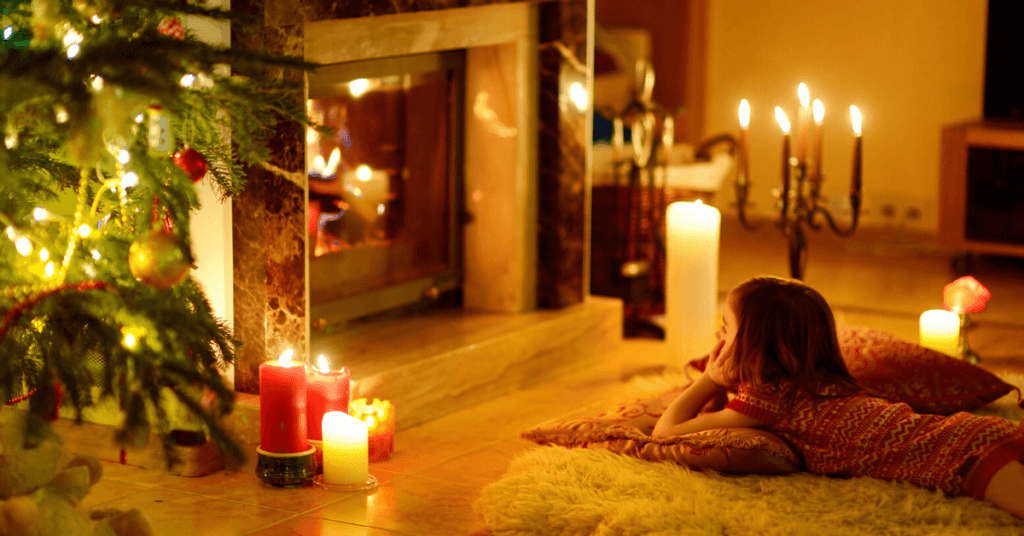
Sitting by the fire, enjoying the holiday decorations

There’s no place like home for the holidays. Especially given that we would rather spend time indoors keeping warm than have to go outside and brave the cold. The holidays are a time to gather with families, play games, enjoy big dinners, and exchange gifts; which means keeping the heat on, cooking big meals, plugging in new toys and appliances – all which can drive up energy costs and eat into your savings.

While the holidays can be a joyful time, we understand they can also be stressful. We want to help reduce your stress this holiday season with these holiday savings and safety tips.

Heating and Electrical Holiday Safety Tips

Putting cookies in the oven, best used for baking not heating the house

House fires increase around the holidays given all the extra usage and decorations. The last thing you want when spending time with family or entertaining guests is an unexpected house fire. Following these safety tips can help prevent fires and keep you prepared:

  1. Keep anything flammable, combustible, or susceptible to burning at least 3 feet away from open flames or heating equipment such as fireplaces, candles, furnaces, space heaters, stoves, and radiators.
  2. Turn off holiday lights, cooking appliances, and blow out any candles before you leave the home or go to bed.
  3. Never use your oven to heat your home as this can lead to carbon monoxide poisoning. Speaking of carbon monoxide, be sure to check your smoke and carbon monoxide alarms regularly.
  4. When planning holiday decorations, such as string lights, always check the cords for corrosion or damage and space out where you plug them in so you don’t overload any outlets. See our holiday lighting safety post for more tips.
  5. Don’t use your grill or any other fuel-burning appliances indoors or under tents to prevent fires and carbon monoxide.

Holiday Savings Tips

These tips can help you reduce your energy usage this holiday, which can also save you some money. Instead of worrying about high energy bills, keep these holiday tips in mind to reduce your home energy costs.

  1. Keep the oven closed and use the oven light instead to check your baking. This prevents the oven from losing heat and having to work harder or longer to properly cook your food.
  2. Run full dishwasher loads to conserve water and energy. Running a full dishwasher uses less water and heat than washing dishes by hand.
  3. Keep your holiday lights on a timer and turn them off during the day when they’re not visible and when you’re not home for prolonged periods of time to save energy.
  4. Schedule a heating inspection to ensure your furnace or heat pump doesn’t need any repairs and is working efficiently.
  5. Insulate your attic to prevent your home’s heat from escaping too rapidly. This will help keep the heat trapped inside your home, thus preventing your heating from overuse and keeping you warm.

These are just a few holiday savings and safety tips, but a little can go a long way. Wishing you a warm and safe holiday!

How to Safely Use Extension Cords

‘Tis the season . . . In just a few weeks homes across the US will be celebrating Thanksgiving, a day of gratitude and the official sign that it is socially acceptable to put up your holiday decorations. Though no judgment from us if you have already started spreading the holiday joy through a little exterior illumination.

Whichever side of the holiday decor debate you fall on, you will most likely need to use extension cords to string up lights, inflate lawn decore, and trim your tree. To keep your home safe from injury and electrical fires, follow these simple tips.

Transcript:

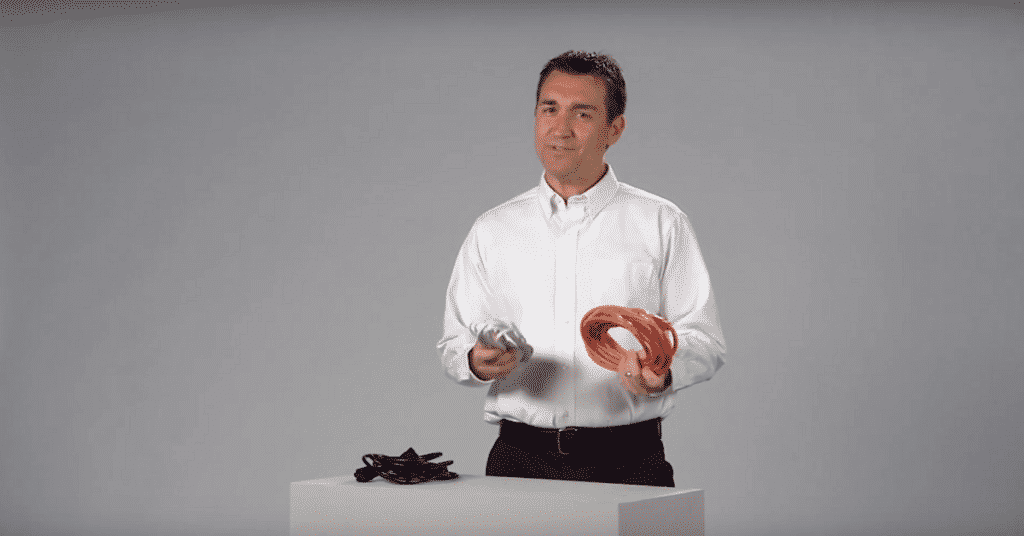
Extension cords are a fantastic invention, but it’s important to use them safely. Each year thousands of injuries and fires are the direct result of improper extension cord usage. Here are some extension cord safety tips and information.

First, never use a cord that is damaged. Don’t use a cord that is hot. Extension cords can overheat if what you have plugged in draws more current than the extension cord can carry.

And overheated cords can start fires.

Second, never use an inside rated extension cord outside. Inside rated extension cords have thinner jackets than outside cords, which have more durable jackets. It’s safe to use an outdoor extension cord inside, but using an indoor extension cord outside can lead to overheating and dangerous short circuits.

Next, keep extension cords out of high traffic areas like doorways or walkways where they can pose a tripping hazard. If you need to put a cord in a high traffic area, make it a temporary solution. This is particularly important if you ever have children or older people in your home.

If you use an extension cord on a regular basis, chances are you have too few outlets in your home. If you would like to add more outlets or prepare broken outlets, give us a call at (626) 360-3111. We would be happy to help you out.

Book Online

"*" indicates required fields

This field is for validation purposes and should be left unchanged.