
Warning Signs You Have a Clogged Sewer Line

What to Know

  • Your home’s sewer line is an important pipe system that carries sewage and wastewater away from your home. 
  • Some common signs of a sewer clog include slow drains, more than one clog in your home, strange sounds, sewage smells, and lush patches of grass in your yard.
  • A professional plumber needs to solve your sewer line clog to ensure the job’s done right, quickly. 
  • Accurate’s plumbers are available now to schedule emergency plumbing service, which includes sewer line repairs. Don’t delay, call us today! 

What Is a Sewer Line and Why Does It Matter?

The sewer line in your home is a crucial part of your plumbing system. It’s the underground pipes that carry wastewater and sewage away from the house and bring it to the municipal sewer system. 

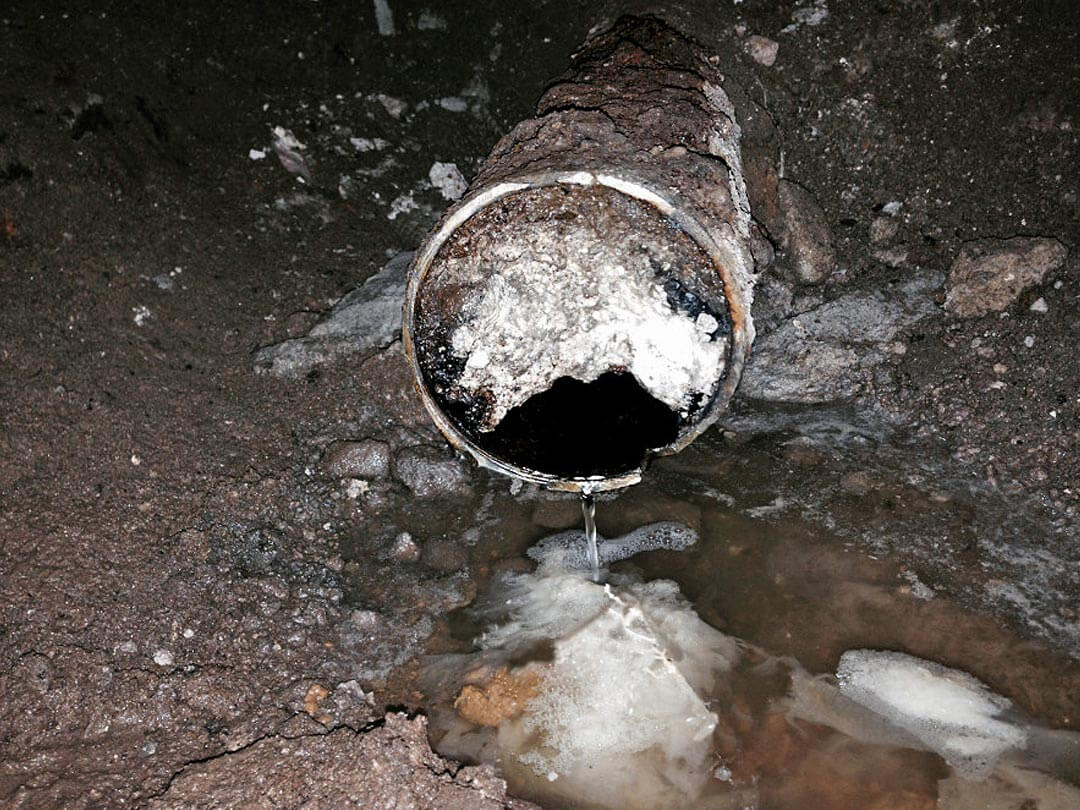
You need your sewer line to remain unclogged and clear because a clogged sewer line won’t be able to remove harmful waste from your home and will cause backflows and floods that contaminate drinking water and expose you to bacteria and other health hazards. Because the main line pipes are underground and out of sight, it can be difficult to visually tell when a sewer line blockage is happening

If you suspect that you have a sewer drain clog, contact a plumber to fix the problem before more damage is done. At Accurate Electric, Plumbing, Heating, and Air, our licensed plumbers provide a wide range of plumbing services in the San Gabriel Valley, including sewer line repairs and maintenance, and we’re available 24/7. Sewer issues constitute a plumbing emergency because they put your health and your home in danger. Call us now if you notice any of the signs listed below, and we’ll take a look.

Common Warning Signs of a Clogged Sewer Line

The following are some of the most common signs of a clogged sewer line:clogged sewer line warnings

  • Multiple clogs: If your bathtubs, showers, and sinks are clogging at the same time, it’s a strong indication that there is a sewer pipe clog.
  • Fixtures behaving oddly: One of the main symptoms of a clogged main sewer line is when fixtures react oddly, such as bubbling water, water overflowing in sinks/tubs, a sewer backup, or water flowing in places it shouldn’t be
  • Slow-draining fixtures: Fixtures that show a delay in draining speed or require frequent plunging are signs of a drain line blockage.
  • Sewage smells: The smell of sewage is unmistakable. If these odors are present in your home (or outside), it can be another indication of sewage backup.
  • Wet or green patches in the yard: When wastewater cannot be transported through a main sewer line, it may soak into the soil, causing an unexplainable wet or extremely lush patch.
  • Excess drainage at the clean-out: If you have a main line clean-out (a capped external access point to your sewer line), and water flows up and out of the clean-out or is standing in the pipe, it’s confirmation that your main line sewer has a stoppage.
  • Mold growth: Excess moisture often leads to mold and mildew growth, which can be a tell-tale sign of a larger problem.
  • Foundation cracks, settlement, and sinkholes: An untreated blockage can lead to leaks that may cause foundation cracks, settlement issues, and sinkholes. 
  • Pest problems: Rats, insects, and other pests can squeeze into extremely small spaces and are drawn to sewer contents. Signs of pest infestations may indicate a sewer line problem. 

What Causes a Sewer Line to Clog?

Residential sewer line clogs are usually caused when:

  • Fat, oil, and grease build up, with food waste, hair, and soap creating a clog over time.
  • Inappropriate items are flushed down the toilet. 
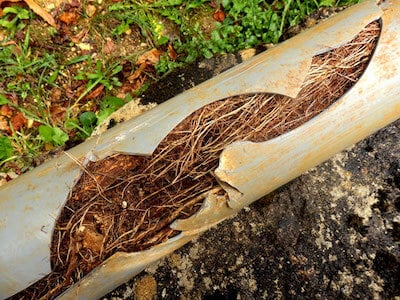
  • Tree roots grow into the pipes.
  • Poor plumbing connections may lead to obstacles that allow buildup and clogs.
  • Pipes crack, corrode, or collapse.

Is a Clogged Sewer Line an Emergency?

Yes, a clogged sewer line is an emergency that requires immediate assistance. 

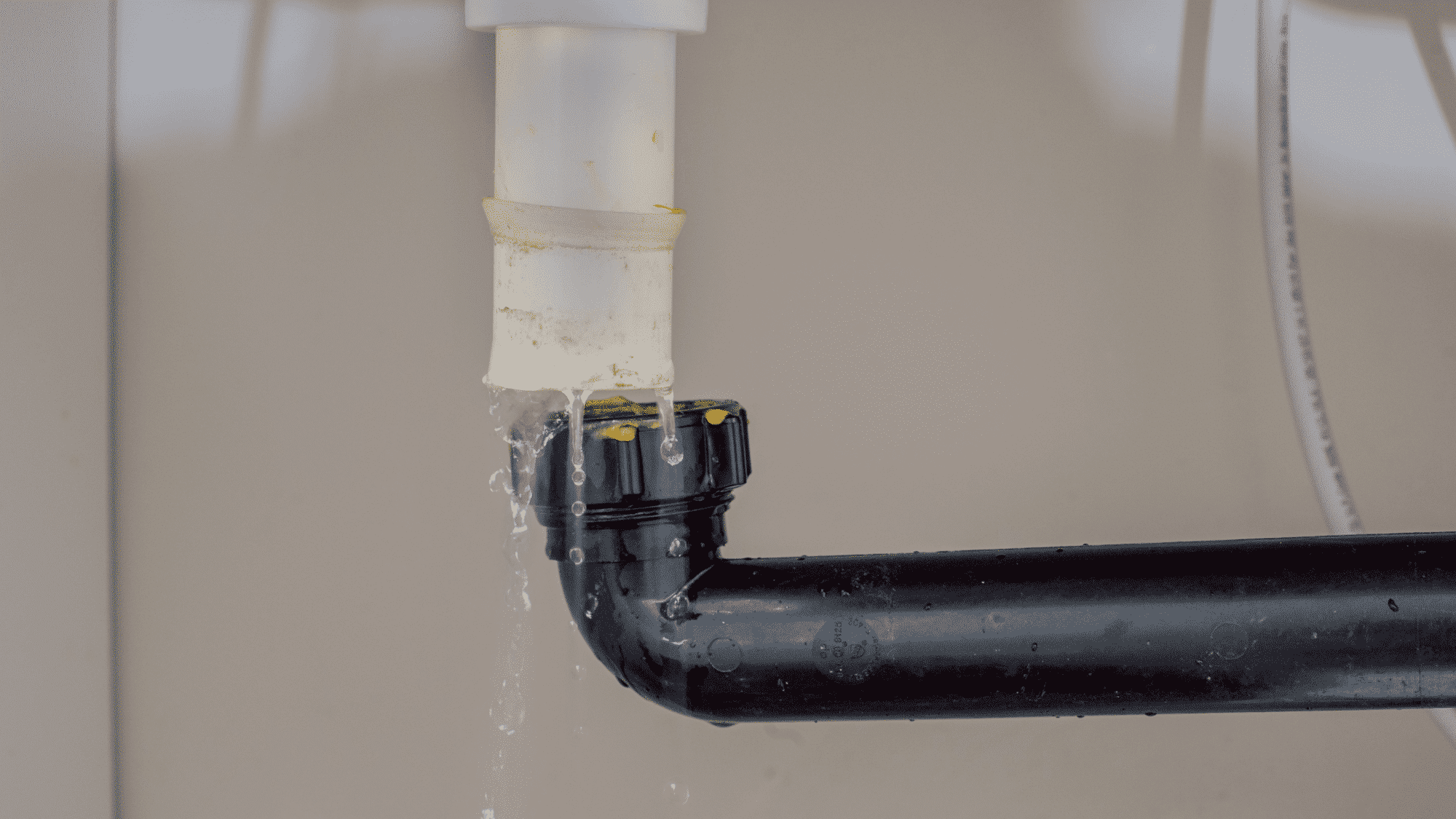
You should never ignore a clogged sewer line. Over time, blockages can lead to corrosion and excess pressure, which can cause a pipe to leak or burst. Along with backups, raw sewage and wastewater in your yard and home will cause:

  • Bad smells
  • Floor, wall, and foundation damage
  • Mold and mildew growth
  • Health hazards from bacteria
  • Big, expensive sewer line repairs

Can You Fix a Sewer Line Clog Yourself?

No, sewer line cleaning and repair is best left to the experts. Most of the time, the problem is due to broken sewer pipes, tree root intrusions, or serious clogs that need proper tools to remove and can be difficult to diagnose on your own. Play it safe and call Accurate to avoid causing more damage to your plumbing system.

How Plumbers Diagnose and Repair Sewer Line Issues

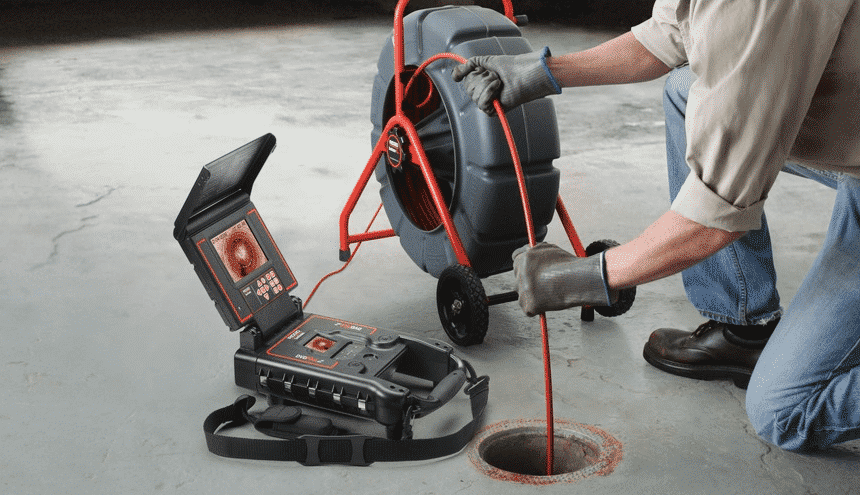
Our plumbers have specialized tools that’ll help us pinpoint the location and the cause of the problem and fix it with precision. This includes video camera drain inspections, drain snaking and hydrojetting, trenchless pipe repairs, and traditional sewer line repairs. 

Each sewer line job is unique. Once we’ve been able to diagnose the problem, we’ll give you our diagnosis and recommendations.

Service Area: Sewer Line Help Near You

We proudly serve homeowners in:

  • Rancho Cucamonga, CA – 91701, 91730, 91737, 91739
  • Glendora, CA – 91740, 91741
  • Surrounding San Gabriel Valley communities

Why Book with Accurate Electric, Plumbing, Heating, and Air

A clogged sewer line isn’t a DIY project that can be treated with a plunger or over-the-counter chemicals. Contact Accurate Plumbing today and schedule a video camera inspection to determine the location of the issue and its cause. We proudly serve Glendora, Rancho Cucamonga, and the surrounding foothill area with extensive plumbing services, including:

  • Drain cleaning
  • Pipe repair
  • Fixtures services
  • Bathroom plumbing
  • Garbage disposals
  • Water heaters
  • Water softeners
  • Water filters
  • Plumbing remodeling

We also provide electrical HVAC installations, repairs, maintenance, inspections, and more. 

If you have any questions about your sewer line or suspect a serious plumbing issue, please call our office at 800-947-1747 or use our online contact form to get in touch. We’re available 24/7 and will be happy to assist you.

Frequently Asked Questions

Does a gurgling toilet mean my sewer line is blocked?

Yes, if your toilet is making a gurgling sound, it’s likely because the sewer line is blocked. Sometimes, gurgling sounds may also indicate a minor clog elsewhere. Contact a professional plumber to assess the problem for you.

How can I tell the difference between a simple drain clog and a sewer line clog? 

The biggest difference between a smaller drain clog and a sewer line clog is the areas affected. A sewer line is further down the pipeline and will affect more than one drain at a time, causing clogs and backups in multiple locations. Simple drain clogs usually only affect one drain. 

Can tree roots clog a sewer line?

Yes, tree roots are a big cause of sewer line problems in California. Roots search out any water and nutrient source, and once they find an entry into your sewer line, they’ll grow inside, causing major blockages and leaks.

Gas vs. Electric Water Heaters: Should You Make the Switch?

What You Should Know

  • There are some distinct differences between gas and electric water heaters that homeowners should know.
  • Factors such as budget, energy source, and maintenance play a role in selecting the right type of water heater for your home.
  • Consider factors such as energy efficiency and cost-effectiveness when selecting a new water heater. 

Which Water Heater Is Right for You: Gas or Electric?

Whether you live in Glendora, the city of Rancho Cucamonga, or the surrounding areas, it’s important to have a reliable water heater for your everyday needs. If you’re thinking about upgrading, you may wonder whether a gas vs electric water heater is right for you. The experienced team at Accurate Electric, Plumbing, Heating, and Air has some helpful insight about both of these water heater types to make the process easier. 

What’s the Difference Between Gas and Electric Water Heaters?

Before you replace a gas water heater with an electric water heater or vice versa in your Glendora home, it’s important to understand the differences between the two. As you compare gas and electric water heaters, you’ll want to explore several important aspects of each type. Both of these water heater styles work to heat your home’s water supply quickly, but they do so using different methods and components.

How each type heats water 

Gas water heaters use natural gas or propane, which is burned to produce heat. A gas burner located at the bottom of the tank creates combustion that burns the oil or gas to heat the water. Electric water heaters use electricity to operate and contain a special coil or heating element to heat the water inside the tank.

Energy source availability and infrastructure

Electric water heaters are more common than gas since it’s easier to connect them to existing wiring and infrastructure. If you don’t already have a gas line running to your home, you’d need to have a new one installed if you want to switch to a gas water heater, which may increase your overall installation costs significantly. 

Tank and tankless options for both types

While traditional gas and electric water heaters use a tank to store water, tankless models are also available for both energy sources. Tankless water heaters are compact, energy-efficient, and provide a constant supply of instantly heated water whenever you need it. 

Which Is More Energy-Efficient and Cost-Effective?

Weighing the pros and cons of electric water heaters and gas water heaters should include looking at which option is more energy-efficient and cost-effective. 

Upfront costs vs. long-term energy bills

Gas water heaters tend to have a higher upfront cost, but they may cost more over time in terms of long-term energy costs. Electric water heaters are cheaper to install, but the cost of electricity is generally higher than natural gas, making them more expensive to operate in the long term.

Utility rate fluctuations: electric vs. natural gas

Electricity rates tend to remain generally stable, making electric water heaters more consistent in terms of operating costs. Natural gas costs less than electricity, but prices are expected to rise in the future and tend to fluctuate much more significantly than electricity.

How Do Maintenance and Lifespan Compare?

As you explore the pros and cons of gas water heaters and electric water heaters, compare their maintenance needs and overall lifespan.

Typical maintenance requirements for each type

Both gas and electric water heaters require routine maintenance for optimum performance. However, gas water heaters may require more frequent maintenance due to the risk of gas leaks. Make sure you drain and refill your water heater tank per the manufacturer’s directions. 

Average lifespan of gas vs. electric water heaters

Most electric water heaters have a longer lifespan than gas models. When properly maintained, most electric water heaters last between 10 and 15 years. Gas water heaters typically last between eight and 12 years with proper maintenance. 

What impacts longevity and reliability?

Water quality may impact the longevity and reliability of your water heater. If you have hard water, excess mineral buildup may result in a shorter lifespan. Maintenance, water heater size compared to overall household water usage, and other factors also impact the longevity of your water heater. 

Safety considerations and fire risk

Electric water heaters are generally considered safer than gas since there’s no risk of a dangerous carbon monoxide leak. The risk of an electrical fire is possible with electric water heaters, but it’s much less likely than a gas leak. 

Should I Switch From Gas to Electric (or Vice Versa)?

If you’re still pondering whether to install an electric water heater near me or change to a gas water heater, consider these scenarios to help with your decision. 

Scenarios where switching makes sense 

There are some scenarios where switching from gas to electric water heaters, or vice versa, may make sense. For example, if you’re already planning to remodel your home and work is being done to the infrastructure, it’s a great time to make the switch since other work is already underway. 

Incentives

Many states, local utility companies, and federal government programs offer various incentives that may encourage you to switch. The federal government’s Energy Efficient Home Improvement Credit offers homeowners tax credits for improvements like upgrading to more energy-efficient water heaters. Accurate also has special offers and discounts available to help you save even more. 

Environmental impact and carbon footprint

Gas water heaters tend to have a more significant environmental impact and leave a much larger carbon footprint than electric water heaters. The combustion of natural gas releases greenhouse gases like CO2 into the air and relies on non-renewable fossil fuels to operate.

Ready to Upgrade Your Water Heater? Let’s Talk!

If you’re ready to book a water heater upgrade in Glendora or Rancho Cucamonga, the licensed, bonded, and insured local team at Accurate Electric, Plumbing, Heating, and Air is ready to help. Same-day and next-day installation is available, as well as several financing options to help make paying for your new water heater easier. If you’re ready to learn more or want to upgrade your water heater, contact us today!

Frequently Asked Questions 

Are electric water heaters safer than gas models?

Overall, electric water heaters are considered safer than gas models. That’s because they don’t run the risk of a gas leak, which can be extremely dangerous and could release life-threatening carbon monoxide into the air. 

Do electric water heaters produce fewer emissions than gas ones?

Yes, electric water heaters produce much fewer emissions than gas ones and technically do not produce any direct emissions whatsoever. Gas water heaters operate using combustion, which releases carbon dioxide (CO2) emissions into the air during operation. 

What factors should I consider before making the switch?

Consider factors like existing infrastructure and installation costs, maintenance requirements, energy efficiency, and environmental impact before making the switch. Weigh the pros and cons of each to determine which is the best choice for you and your unique needs. 

Protect Your Premium: How a Water Shutoff Valve Could Keep Your Insurance Rates Low

Water damage is a common and costly problem for many homeowners, but it’s often preventable. Installing a water shutoff valve stops leaks and burst pipes at the source, preventing water damage and mold growth behind walls. Some insurance companies specifically recommend risk mitigation upgrades to minimize the risk of damage to your home.

Find out how the Accurate team can help Glendora area homeowners qualify for insurance discounts with a water shutoff valve installation.

What Is a Water Shutoff Valve and Why Does It Matter?

A water shutoff valve allows you to control the flow of water into your home’s plumbing system. When a pipe bursts or a fixture leaks, this valve stops water from causing flooding, water damage, and other problems. 

There are two main types of shutoff valves. Manual shutoff valves are simple mechanical devices — typically ball or gate valves — that require physically turning the handle. They’re reliable but aren’t equipped to detect pipe leaks or provide proactive protection.

Automatic shutoff valves monitor flow and pressure in real time. If the device detects abnormal usage or leaks, it automatically closes the valve without manual intervention.

Common water damage risks in Glendora & Rancho Cucamonga

Glendora, Rancho Cucamonga, and the surrounding areas are subject to certain plumbing hazards:

  • Aging pipes: Aging infrastructure in long-established neighborhoods increases the likelihood of corroded or brittle pipes.
  • Drought-related pressure problems: Soil often contracts during droughts, which pressures underground pipes and increases the risks of cracks or breaks.
  • Slab leaks: Earthquake activity and drought conditions cause soil erosion and can stress plumbing connections, potentially below your home’s foundation.

The Connection Between Water Shutoff Valves and Homeowners Insurance

Many homeowners upgrade their homes and plumbing systems for comfort and property value, but they can also qualify for better homeowners insurance rates.

How insurance companies assess water damage risk

Insurance providers assess multiple variables when evaluating your home’s risk profile, such as the structure, materials, electrical system, and claim history. Water damage is among the highest sources of claims, particularly because of plumbing leaks. Homes without mitigation measures may be at higher risk, especially if they have older plumbing or slab foundations.

When your home has preventative devices, insurers see it as reduced risk exposure and a lower likelihood of damage claims. Adding a shutoff valve shows that you proactively protect your home from damage. Homes with automatic shutoff valves or leak detection systems are less likely to file water damage claims, and insurance providers may reflect that in their offers with rate reductions, incentive programs, or increased coverage.

How installing a water shutoff valve could lower your insurance premiums

In some cases, insurers may increase premiums or require leak prevention measures for high-value homes. Others may offer incentive programs for plumbing upgrades that reduce insurance. Many providers offer insurance discounts for water shutoff valves and qualifying mitigation upgrades.

Even if your premium doesn’t change, a water shutoff valve may help you avoid claims altogether, making you eligible for claim-free discounts and helping to prevent long-term rate increases.

Real Protection, Real Savings: The Benefits for Homeowners

Beyond potential insurance savings, water shutoff valves benefit homeowners in Glendora and other California areas by avoiding the cost and inconvenience of emergency plumbing situations.

Save money on repairs and claims

Even a minor plumbing leak can result in costly and invasive water damage repairs. Claims for water damage average about $11,000, depending on the nature and extent of the leak. In severe cases, such as pipe bursts or slab leaks, costs can add up quickly if collapsed ceilings, damaged walls and flooring, furniture replacements, and other factors are involved.

Installing a shutoff valve can stop the flow of water quickly and reduce its total impact.

Peace of mind when you’re away

Smart shutoff valve systems often feature Wi-Fi monitoring and remote control capabilities. They can detect slow leaks that may go unnoticed until they cause widespread damage or urgent problems, such as a burst pipe.

You can further boost detection and alert coverage by adding water leak sensors to your smart home system and linking them to your shutoff valve. With this technology, shutoff valves protect your home when you’re at work, on vacation, or even asleep, providing an extra layer of security.

Installation Process: What Homeowners in the Inland Empire Should Know

Installing a whole-house water shutoff valve is a straightforward process when you choose a licensed and experienced plumber.

Choosing the right type of shutoff valve

The right valve type depends on your home’s needs. A plumber can guide you through these factors to help you choose the ideal shutoff valve:

right type of shutoff valve

Your plumber performs an inspection to ensure compatibility with your plumbing system and find the ideal installation point. They’ll provide informed recommendations based on their knowledge and experience with manufacturer specifications and local plumbing codes.

Why professional installation matters

Professional water shutoff valve installation helps you get the most from your device while preventing leaks, pressure problems, or malfunctions. Working with a professional plumber keeps you compliant with the manufacturer’s warranty and provides the documentation your insurance provider may need to approve discounts or reduce premiums.

Why Glendora and Rancho Cucamonga Homeowners Trust Accurate

At Accurate, we’ve built our local reputation by offering personalized services and expert work to residents across the Inland Empire. 

Family-owned and rooted in the community

As a family-owned business, Accurate understands the value of trust and long-term relationships.

Trusted, local expertise

We serve homeowners throughout Glendora, Rancho Cucamonga, Upland, San Dimas, La Verne, and surrounding areas. Our team is fully licensed and certified, and our knowledge of local infrastructure and code means better service and more reliable protection.

Transparent pricing and prompt service

Accurate offers emergency availability with clear communication at every step. Our pricing is upfront and free from surprise fees, so you’ll know exactly what to expect from your water shutoff valve installation.

Contact Accurate for Water Valve Shutoff Installation 

A shutoff valve gives you more control over your plumbing system, protects your home from common risks, and may even lower your insurance rates. Contact us or schedule online today. Whether you’re concerned about plumbing leaks or planning an upgrade, Accurate is here to help.

Frequently Asked Questions

Does insurance cover water leaks?

Homeowners insurance may cover unavoidable water leaks, but it usually doesn’t cover gradual leaks from aging or poorly maintained pipes. Check your homeowners water damage coverage with your provider to verify what you can claim.

Where is my home’s main water shutoff valve typically located?

For most homes, the main water valve is located at the meter or entry point on your property. If you can’t locate it, a plumber can identify the valve for you.

Will my insurance cover the cost of installing a shutoff valve?

Homeowners insurance policies don’t usually cover the cost of installing a water shutoff valve because it’s a preventive upgrade, not a repair resulting from a covered loss. However, reduced premiums may offer a comparable cost benefit.

A Message to Our Customers During COVID-19 “Stay-At-Home” Order


[Updated 03/19/20]

To our valued Customers, 

Last night, an order went into effect that requires all California residents to stay home unless engaging in essential activities. Our services have been marked as essential and exempt from this order.

Accurate will continue to stay open to provide you with the electrical, plumbing, heating, and cooling services you need to stay safe and comfortable in your home. 

Your health and safety is my team’s top priority. We have implemented extra precautions to ensure that we are doing our part to stop the spread of this virus. Here is a full list of the steps we are taking to keep you and your family safe & healthy.

As you know, we wear booties or shoe covers while in your home, and we put down work mats at the worksite and as added protection, we are implementing the following:

1. We are screening our technicians each day before we send them out to your home to ensure they are not at a risk to you or your family.

2. We are pre-screening all our customers prior to sending our technician to their home to ensure we are do not spread the virus; 

3. We are disinfecting all our iPads before and after each appointment;

4. We are no longer shaking hands and will be increasing our hand washing and use of hand sanitizer before and after each visit;

5. We are offering estimates over the phone, online estimate signing, and paperless payment options;

6. Our entire team is working completely remotely to ensure we are healthy and able to serve you; 

7. We are committed to helping you feel safe and secure during the visit and are open to any questions you may have.

We will continue to provide our customers with excellent home service while also remaining vigilant to do our part in reducing the transmission of this illness. If you have any questions or concerns please don’t hesitate to call our office at 1-800-947-1747.

We look forward to serving you, 


Jeff Seale

President & Owner 

Importance of a New Home Systems Status Check

Moving into a new home is an exciting time. But it comes with many challenges and to-do lists, one of which includes getting a proper inspection to make sure everything is in a livable condition and working order. While it might not be required in the inspection before you sign the papers, it’s important to know the status of your electrical system, plumbing system, and HVAC system as well to help you avoid and prevent future problems. 

Electrical System

Knowing when to get an electrical inspection in your home can be tricky, which is one of the best reasons to get one before you move into a new house. Having your electrical system inspected prior to moving into a new home is important to identify any potentially dangerous electrical situations that may become expensive to repair once the home has been purchased.

Plumbing System

Understanding your new home’s plumbing system is important as well. Having an inspection done on the plumbing can shed light on the state of the pipes, if there are any potential problems like pipe damage and leaks. It can also ensure that the plumbing is isolated away from any part of your electrical system which could cause other costly damages down the road. If the property inspection won’t cover the plumbing system, you can hire a plumber to do an inspection for you.

HVAC System

Having an inspection done on the HVAC system before moving into your new home is important to ensure the quality of comfort you’ll experience during the hot summers and cold winters. Not only that, it provides an opportunity to catch any issues that might otherwise go unnoticed, such as mold, mildew, unpleasant odors, rust, excessive noise, or any other issues that could be the sign of larger problems at hand.

—————–

Resolving any potential costs associated with electrical, plumbing, and HVAC repairs will not only help you feel more at ease in your move, but it can also help you negotiate the cost of your purchase if any of the repairs are going to be particularly expensive. By having these systems inspected before you purchase a new home, you’ll be protecting yourself and your home from potential damages and unforeseen repairs in the future.

Already moved in? Check out our  New Home Program which offers exclusive perks to help you settle into our new home. Plus be sure to download our FREE New Home Checklist, which covers all the home tasks we recommend you complete in your new space. 

New NOx Furnace Regulations

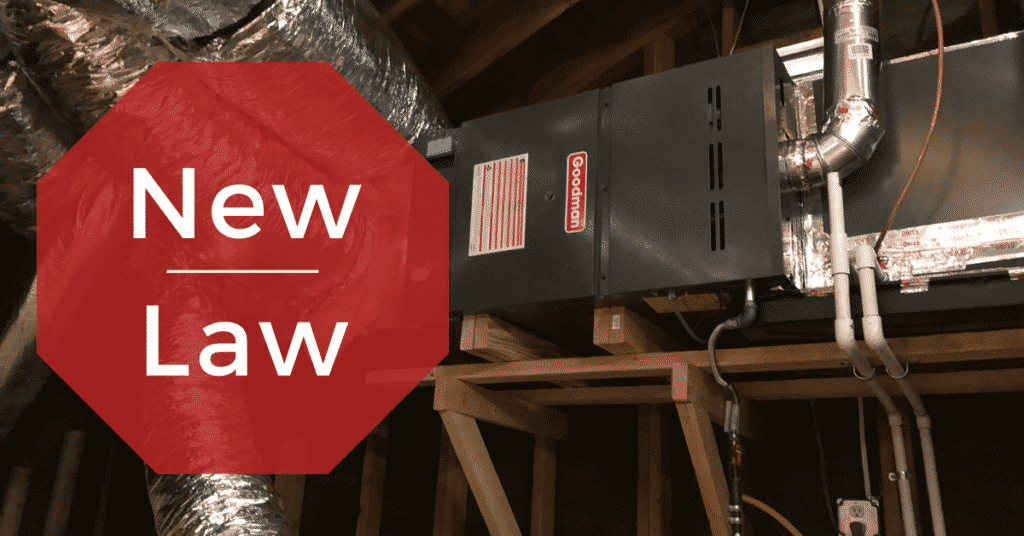
The South Coast Air Quality Management District (SCAQMD) has issued new regulations regarding furnace emissions. All manufacturers, distributors, sellers, and installers of residential furnaces must abide by the new law, which started September 30, 2019. Accurate Electric, Plumbing, Heating, and Air, an HVAC, plumbing, and electrical services company that serves Los Angeles County, Orange County, and beyond, is supporting this new initiative

Accurate would also like to inform current customers about the new initiative rolled out by the SCAQMD. This regulation is targeting residential fan-type central furnaces that are natural-gas-fired. Both condensing and non-condensing furnaces may not exceed the NOx emission limit of 14 ng/J. Those who violate this law by purchasing or installing a system that exceeds this limit after September 30, 2019, will be fined as a result.

The initiative is also aimed towards residents who are planning to purchase and install a new furnace. Homeowners are encouraged to procure a compliant furnace in order to be eligible to receive a rebate, with a value of up to $500. After the first 6,000 rebates, the amount will be decreased to $200 and $300 for non-condensing and condensing furnaces respectively. Accurate also encourages customers to act fast and take advantage of the discount before it’s all gone, especially if your furnace is 15 years or older. Those who are currently seeking furnace repairs would benefit the most from a total furnace replacement that complies with the updated NOx regulations.

Current and potential customers of Accurate can contact the company to learn more about this new SCAQMD regulation. Customers are also encouraged to contact Accurate for any heating, plumbing, and electrical repair services in Los Angeles County or Orange County, CA, they need this fall season and beyond.

Step into Your Future: Make Your Home Smarter

You don’t have to be a “Techy” to enjoy the benefits of smart home technology.  You also don’t have to buy every smart home device on the market to increase energy intelligence in your household.  Market-ready smart home products share a commonality with consumers beyond simplicity… basically, they offer data dashboards to homeowners so they can make their own choices.  

From your electrical system to your plumbing, all the way through the ventilation processes of your heating and air systems, smart home capabilities have consolidated their programming to work within your own mobile device.  Not only does this make being a homeowner more fun, but it also means now more than ever that you should never lose your phone. Ever 😉

Many products on the market utilize one of the three home-assistant interfaces known as Siri, Google Assistant, and Alexa.  While Accurate can’t say which one is the preferred recommended assistant (you can do some investigating or research that fits with your preferences), we can tell you certain devices that work with these home buddies to push you right into smart home living.  

The Systems of Home Technology

ELECTRICAL

Smart Plugs: These devices have voice activation, which prevents you from losing money to the vampires of the night. The so-called “Vampire Load” is when electronics or appliances can consume leaking electricity even though they are on standby.  

Smart Bulbs: This upgrade can restrict the over-usage of lighting in your home.  Lights, in general, are one of those electrical items we tend to forget about.  You walk into the kitchen for a snack; you walk out fighting off hunger but you forgot about the light and your electric bill.  With smart bulbs, you can be as meticulous about your snack time as you want while programming your preferences so you just need to focus on what you want to eat. Simply, they can be scheduled throughout the day so you don’t have to remember to turn lights off. Customizing your lighting schedule will initially save you money while giving you options to fit your own smart home preferences.

Energy Sensor: Investing in an energy sesnor device, like Smappee, can be useful for both your electrical system and your home’s ecosystem.  Our technicians at Accurate can help you learn more and teach the ropes of this device. Smappee is a remote energy monitor, which goes for almost $299 on Amazon and installs right to your electrical panel.  This smart home device monitors your power usage and can inform you where you need to cut back and what may be causing your energy bill to bulge. Now you can monitor your own power usage, keep track of technology tendencies and make sure the power company isn’t over-charging.

PLUMBING

Smart Toilet: When it comes to water usage, for larger families you might think showering and bathing could be the biggest use of water.  However, flushing the toilet is the actual number one well-drainer by the data for every household. Your best option for conserving water is to invest in smart home plumbing technology and you can start with finding the right smart toilet for you. Smart toilets are environmentally friendly, save both water and power, and can make your bathroom fashionably splashy (minus the splashing). Smart toilets have a number of amenity functions from massages to battery-powered modes and even voice activation.  Think how delightful your daily duty will be and remember, you’ll be saving money.

Smart Main Water Valve Device: Another area to infuse smart home products is your main water valve.  When the unpredictable leaks spring up or there is excess water somewhere other than bath time, there are a number of smart home detectors that will act immediately to save you from a small flood.  Water damage can be a serious cash-burner depending on the construction of your home, carpet, furniture and the rooms affected by leaking. Installing a smart device such as Flo ($499) or Guardian ($399) is like having a GFCI outlet for your pipes.  You can monitor these devices through an app on your smartphone and they can prevent any further water flow by turning off your main water valve in an emergency.

Smart Garden Irrigation Systems: Beyond your kitchen and bathrooms, the smart home technology can also be buried within your yard – about 8 to 12 inches deep. Garden irrigation systems can be upgraded to your smartphone as well. For example, the Orbit B-Hyve device, which sets a timer for your hose and sprinkler system.  Some LA County and Orange County laws prohibit certain water usage for property owners, but with this smart home technology, you can abide by the law, perfect your grass and save on annual water usage.  

HEATING & AIR

Creating a smart home HVAC system doesn’t mean you have to replace your entire ductwork system or completely overhaul your air conditioning unit and heating system.  Obviously, the more upgrades you make to create a smarter home will save you more money in the long run and create an environmentally cleaner atmosphere for your family but it’s not an overhaul that needs to be done all at once… unless you want to jump right into all the savings.

Smart Thermostat: The first place to start, depending on the type of your HVAC system, is your thermostat.  Since your thermostat is the main brain to reaching the ultimate comfortable temperature, a smart thermostat can do wonders for your home.  With a smart thermostat, you can program the temp based on time of day directly from your smartphone. It’s great to schedule different cycles at different times of the day or seasons.  Smart home thermostats can also utilize smart automation, which sets different temperatures for different parts of your home or different rooms, saving you money anywhere and time it can.

Geo-fencing: This is a new tactic that is populating the market with homeowners.  Think about being outside all day in the hot Southern California heat or working in a not-so-environmentally-friendly office.  Geo-fencing is another mobile application that will track your distance from your home, triggering temperature monitoring. These settings can be completely customary, but in essence, you could program your home to cool itself when you are five miles away so it’s a perfect atmosphere when you walk in.  When you leave, just the opposite, your home will trigger your HVAC system to power down or conform to a higher temperature to lessen the energy amount being burned when no one is home.  

Smart HVAC System: Motion-activated HVAC systems are another area you could investigate when it comes to cooling or heating your home.  Our technicians at Accurate have extensive knowledge in this industry and could help you find the best technology to fit your property’s needs.  We’ve helped create smart homes all over Southern California. If you are thinking about upgrading to a smart HVAC system, there are systems now that can diagnose issues, prompt you with filter change schedules, and remind you about regular HVAC maintenance checkups.  No matter how smart your home becomes, you will always want to utilize regular maintenance checkups because it enhances the longevity of your entire system and will increase your home’s value.

The Future is Now

Building a smart home for the future comes with many options.  The products listed above are used for examples only of what options you have as a homeowner.  We are not endorsing any products within this blog, however, we strongly encourage creating a smart home with the different types of technology available to you.  

Our Accurate team can help you find the right smart technology for your home today.  Give us a call.  

6 Home Maintenance Tips for Summer

Summer is nearly here, and the changing of the season means that your home will most likely be subject to increased temperatures, interchangeably dry and humid air, various allergens, electrical hazards, and possibly insects and pests. To fight these seasonal issues and keep their homes cool, functioning, and safe without energy bills breaking the bank, homeowners should consider performing some summer maintenance on their electrical systems, appliances, plumbing, and home fixtures.

Continue reading

Need An Estimate?

If you are interested in receiving a free online quote, please fill out the short form below and we will get back to you promptly! Accurate strives to provide consistent quality service at a fair price. We are thankful that you are considering Accurate for your next home-service project!

Get Your Estimate Now

[contact-form-7 id=”9430″ title=”Need An Estimate?”]

Winter Is Knocking… Is Your Heating System Home?

You’ve heard the phrase before, ‘Winter is Coming.’ Now that it’s actually here, are you satisfied with your preparations? Sure living in Southern California has its advantages. We don’t have to deal with snow in Los Angeles County and Orange County, the air doesn’t get below freezing, and you don’t need to call a plow to get your car out of the driveway. Still, you need to keep up with your furnace maintenance and make sure your furnace service is up-to-date.

While the SoCal winter temperatures don’t usually dip lower than the high 40s, it can still feel like there’s a sheet of snow outside in the morning. If you add the rain into that, winter can still find a way into your home whether you like it or not. However, your heating system can stop the misery but you have to make sure it is up to the task. You won’t have to fight-off ice zombies, but you definitely will want to make sure you and your kids don’t have to battle colds and sinus infections from not having heat.

heating system

TYPE OF SYSTEM

In order to make sure your heating system will get you through the winter the first thing may seem obvious, but you should know what type of system your home uses.

Do you have a furnace or a heat pump?

A gas-powered furnace will heat your home powered by burning fuel. A heat pump can either cool or heat your home using electricity. A furnace creates warm air by using the process called combustion, which is created when the burning gas generates heat controlled by a thermostat. The heat is sent through your ductwork over a heat exchanger and circulates throughout your home.

A heat pump generates heat by taking outdoor air and reversing the refrigeration process using a refrigerant. A refrigerant absorbs heat energy from the outdoors and uses a coil to heat the air as it circulates it into your home.

MAINTENANCE

Making sure your furnace or heat pump is stable and running efficiently should be on your to-do list for early fall. If you waited until the first real cold day of winter and turned on your heating system you may shock your system or experience a breakdown if the system is old or you haven’t had furnace service in a long time.

Furnace maintenance is extremely important for the proper functioning of your heating system. Nobody really wants to entertain Winter as a house guest longer than they have to, but here are a few things you can do to make sure your system is ready:

Heat Pump

While you should never obstruct the flow of air for your heat pump, you may want to use a specific cover designed by the manufacturer to protect it from the elements outside. Windbreaks can help but remember in order for it to work properly the air needs to be able to circulate so don’t build a shelter to encase it.

Make sure your air filters are clean and the empty spaces between the coils don’t have dust or debris build-up. Cleanliness is a big deal for a heat pump and is part of the preventative maintenance process. When you hire Accurate for furnace service and furnace maintenance, Accurate will detail your Heat pump making sure it is spotless so the air can flow efficiently.

Make sure you know your heat pump thermostat settings and that it’s set for the right time of year. Don’t set your Heat Pump to emergency heat just because it’s really chilly outside. You’re only supposed to use that setting if your Heat Pump is broken.

Furnace

Make sure your heat exchanger is clean. Like the Heat Pump, cleanliness is important so all the parts don’t have to deal with any unneeded nuisances of debris or dust. You can also make sure to lubricate the blower motor. The heat has to get pushed out into your home and it won’t just dance around magically like sugarplums and fairies during the holiday season.

Make sure to test your igniter switch and to turn on your thermostat.

You should always check your air filters as well to make sure there are no circulation pathways being blocked.
Lastly, keeping safety in mind, make sure your carbon monoxide detectors are working. Remember, with a furnace, you will get great heat but you also run the risk of CO2 leaks. As long as you have a fully functional carbon monoxide detector, you and your family will be safe.

THE DETAILS

In your home, there are other things you can do to increase the reliability of your heating system. Check your insulation upstairs to make sure you don’t have a big hole or any leaks. Heat rises so you want to make sure you don’t have swiss cheese for insulation upstairs.

Winter can be slippery and devious on how it enters your home. Check your windows and entryways around your doors. A few cracks can amount to a lot of lost heat seeping out of your house. Not only do you lose heat but it forces your system to work harder which could eventually mean a possible breakdown. Part of Accurate’s furnace maintenance is ensuring you don’t have leaks in your home.

Also, check your vents and ducts. You are your own air traffic control. Don’t let your air get clogged up with dust, debris, pet dander, or any unwanted clutter so your heating system doesn’t give you the full capacity you deserve. If you haven’t gotten your ducts cleaned in some time we can help. Here are the reasons that you need a clean duct system.

Sure, California winters are not like Alaska, but it’s still winter. We may not get the snow or the amount of precipitation some other regions get, but we still need to take care of ourselves and make sure we’re healthy so we don’t get sick. Live comfortable through the winters by making sure you are up on your furnace service and your furnace maintenance. If you need help, call Accurate. We’ve been servicing LA County and Orange County for decades and we know what kind of company winter can be.

Book Online

"*" indicates required fields

This field is for validation purposes and should be left unchanged.