Why Is My Heat Pump Blowing Warm Air in Cool Mode? Jeff’s Troubleshooting Guide
There is nothing more frustrating on a warm day than stepping inside, cranking down your thermostat, and realizing your heat pump is blowing warm air instead of refreshing, cold air. Before you assume the worst and start looking for a brand-new system, let’s look at what is actually causing the problem and how we can get your comfort restored fast.
Direct Answer: A heat pump blows warm air in cooling mode primarily due to an incorrect thermostat fan or O/B terminal setting, a dirty air filter choking system airflow, a tripped outdoor circuit breaker, a failing reversing valve solenoid, or low refrigerant levels caused by a leak. Checking thermostat settings and replacing a clogged air filter can resolve the issue immediately without a service call.
1. Thermostat Settings & The O/B Reversing Valve Wire
Start with the simplest troubleshooting step: your thermostat interface. Ensure the system is switched to “Cool” and the fan is set to “Auto” rather than “On”. When the fan is set to continuous “On”, it will keep pushing ambient room-temperature air through your ducts even when the cooling compressor rests between cycles, giving the illusion that the system is blowing warm air.
Did You Recently Install a Smart Thermostat?
If you recently upgraded to an Ecobee, Nest, or Honeywell smart thermostat, the reversing valve setting (O/B terminal) might be misconfigured in the digital settings:
- “O” Setting (Cooling Default): Most HVAC brands—including Trane, Carrier, Lennox, and Goodman—energize the reversing valve in Cooling mode.
- “B” Setting (Heating Default): Brands like Rheem and Ruud energize the reversing valve in Heating mode.
If your thermostat settings reverse this logic, your heat pump will do the exact opposite of what you ask: blowing hot air on cool settings and vice versa.
2. Clogged Air Filter and Frozen Indoor Evaporator Coil
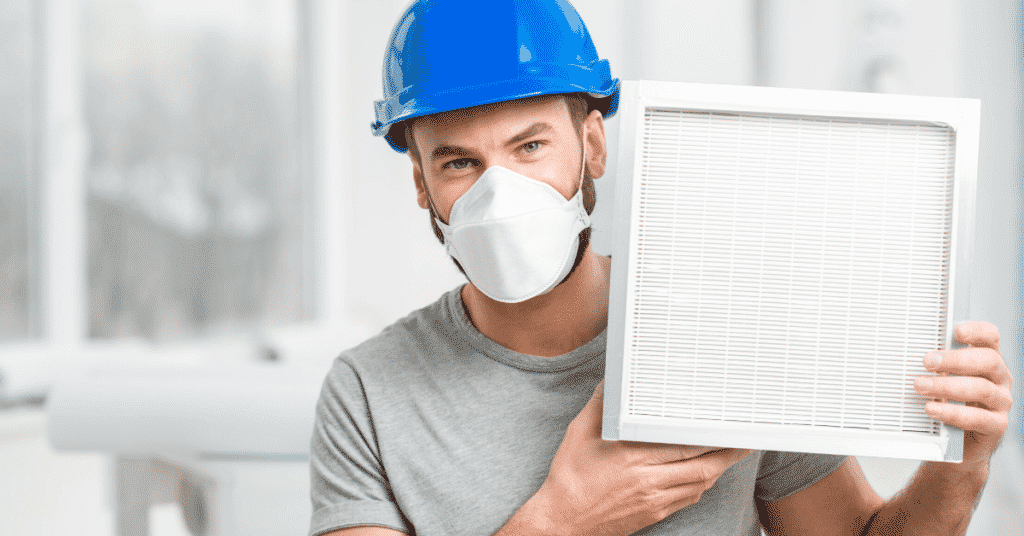
Airflow is critical to heat pump operation. When dust, hair, and debris clog your air filter, air cannot pass over the indoor evaporator coil effectively. Without warm air transferring heat to the cold refrigerant, the coil temperature drops below freezing. Humidity freezes on the coil, turning it into a solid block of ice that completely blocks cold air distribution. If you notice weak, tepid airflow coming from the supply registers, turn off the system immediately to let the coil defrost.
3. Tripped Breaker on the Outdoor Unit
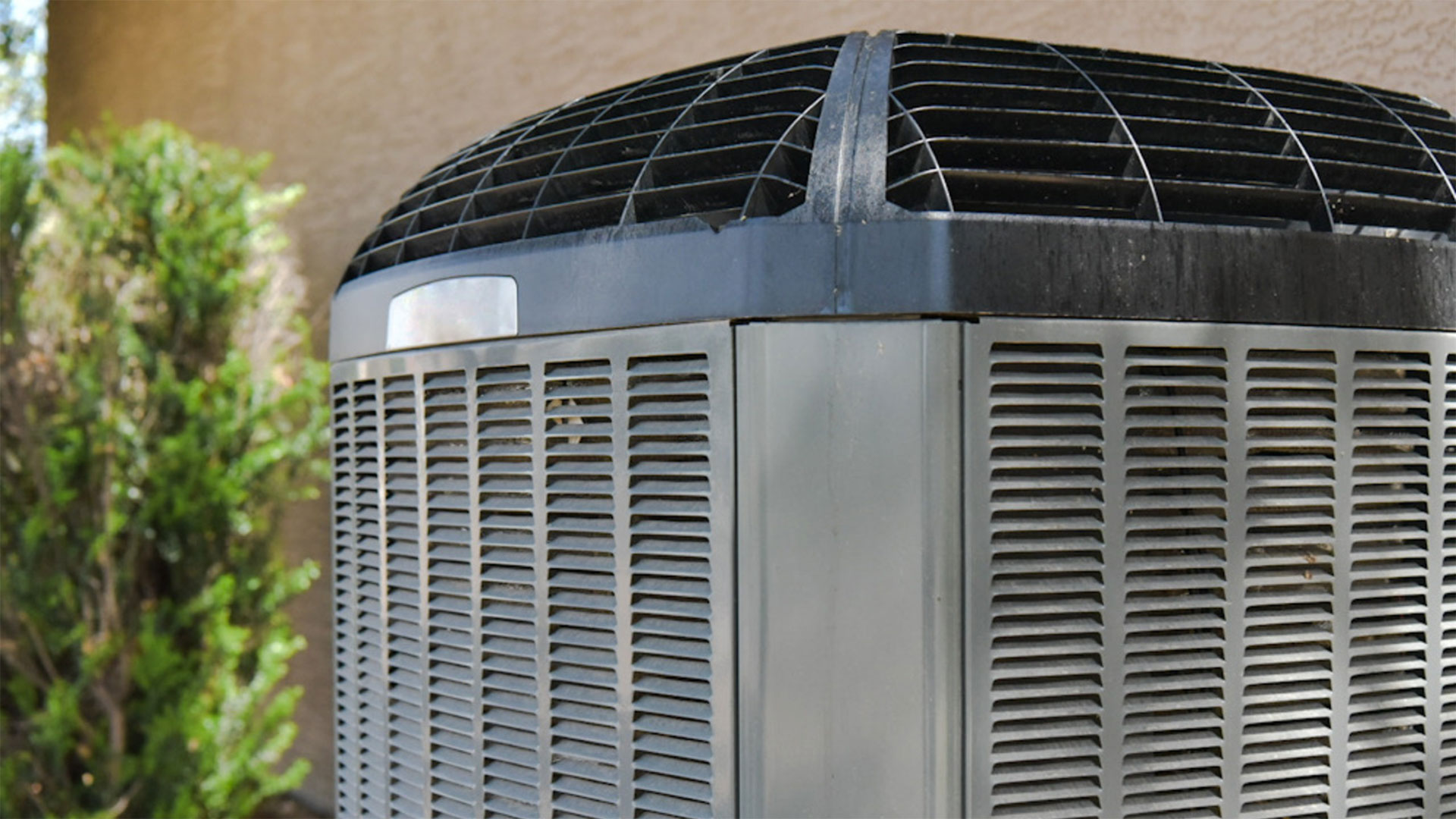
Heat pump systems rely on two separate electrical circuits: one for the indoor air handler/furnace blower and one for the outdoor condenser unit. If power surges trip the circuit breaker for the outdoor unit, your indoor blower fan will continue running and blowing room-temperature air through the house while the outdoor compressor and fan stay completely shut down. Check your main electrical panel and reset any flipped double-pole breakers dedicated to the outdoor HVAC unit.
4. Stuck or Malfunctioning Reversing Valve Solenoid
The reversing valve is the mechanical valve that physically reverses refrigerant flow, allowing a heat pump to perform both heating and air conditioning functions. The valve is shifted using a 24-volt electrical solenoid coil. If this solenoid burns out or the internal slide valve gets mechanically stuck, the system defaults to heat mode regardless of your thermostat command. A technician can test the solenoid voltage with a multimeter to verify if the valve needs replacing.
5. Refrigerant Leaks or Low Charge
A heat pump operates in a closed loop, meaning it does not burn or consume refrigerant over time. If your system is low on refrigerant (such as R-410A or R-32), there is a leak somewhere in the copper lines, flared connections, or coils. Low refrigerant prevents the heat pump from absorbing heat from your home, leading to warm air output, long running cycles, and eventual compressor shutdown.
Quick DIY Checklist Before Calling a Technician
- Verify the thermostat is set to Cool and the fan is on Auto.
- Inspect the indoor furnace/air handler filter and replace it if dirty.
- Check your circuit breaker box to ensure both indoor and outdoor breakers are ON.
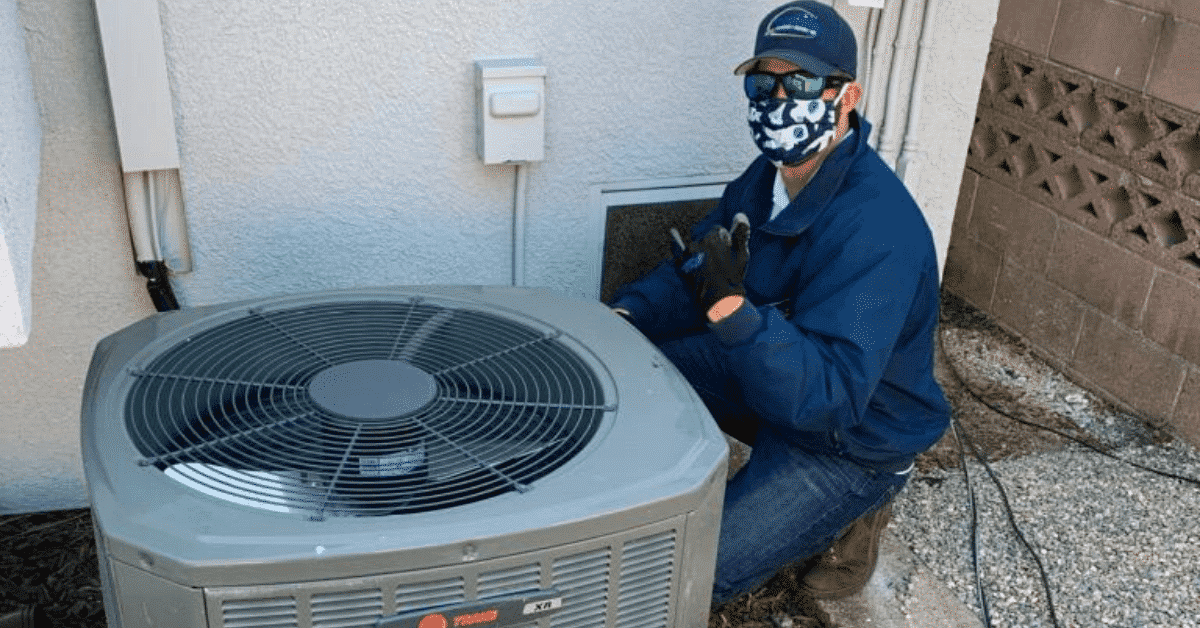
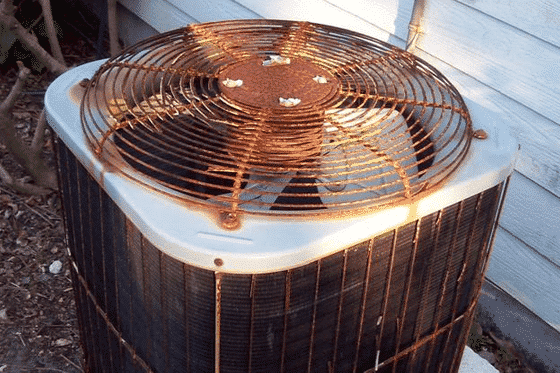
- Go outside and confirm the outdoor condenser unit fan is actively running and clear of leaves or debris.
- Check indoor supply vents for visible frost or ice buildup.
If you’ve gone through these checks and your heat pump is still blowing warm air, give our team a call. We’ll diagnose the reversing valve, electrical components, and refrigerant levels to get your cool air restored safely.